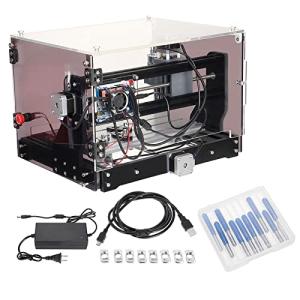
Milling machines have long been vital components in the manufacturing industry, particularly in the production of components with precision and accuracy. Among the various types of milling machines available, Hcyhslh milling machines have gained prominence for their efficiency and versatility. This guide explores the specifications, features, applications, and benefits of Hcyhslh milling machines, while also addressing common questions.
What are Hcyhslh Milling Machines?
Hcyhslh milling machines are advanced machine tools used for the mechanical processing of materials, including metals, plastics, and wood. These machines utilize rotary cutters, which are designed to remove material from a workpiece, producing shapes and features with high precision.
Key Features of Hcyhslh Milling Machines
| Feature |
Description |
| Construction Type |
Typically made from high-strength steel for durability. |
| Control System |
Often equipped with CNC (Computer Numerical Control) for enhanced precision. |
| Table Size |
Varies according to model; can accommodate large workpieces. |
| Spindle Speed |
High-speed spindles are common, allowing for faster material removal. |
| Flexibility |
Can be configured for various milling operations, including face milling and end milling. |
Types of Hcyhslh Milling Machines
Hcyhslh milling machines can be categorized based on several criteria, including the axis of movement and the method of operation. Here are the most common types:
- Vertical Milling Machines: The cutting tool is positioned vertically, allowing for a variety of milling operations.
- Horizontal Milling Machines: The spindle is mounted horizontally, which is ideal for producing flat surfaces.
- CNC Milling Machines: These machines automate the milling process using computer programming, ensuring high precision and repeatability.
- Universal Milling Machines: These feature a table that can be swiveled to various angles, providing versatility for a range of operations.
Comparison of Hcyhslh Milling Machines
| Type |
Advantages |
Ideal Use Cases |
| Vertical |
Versatile and easy to set up |
Prototyping and small parts |
| Horizontal |
Better for large volumes and heavy materials |
Industrial applications |
| CNC |
High precision and repeatability |
Complex parts and designs |
| Universal |
Greater flexibility in milling angles |
Custom and intricate machining |
Applications of Hcyhslh Milling Machines
Hcyhslh milling machines find applications across various industries due to their versatility. Here are some notable applications:
- Aerospace: Manufacturing components that require high precision, such as turbine blades and structural parts.
- Automotive: Producing complex engine parts and other high-strength components.
- Medical Devices: Fabricating surgical instruments and implants with strict quality requirements.
- Electronics: Creating components for circuit boards and other electronic devices.
- General Manufacturing: Used for a wide range of applications, from prototype production to full-scale manufacturing.
Benefits of Using Hcyhslh Milling Machines
The advantages of Hcyhslh milling machines extend beyond precision and accuracy. Here are some of the critical benefits:
- High Precision: Advanced CNC controls allow for intricate designs to be produced with minimal tolerance.
- Increased Productivity: The ability to work at high speeds reduces processing time and increases output.
- Versatility: Capable of handling different materials and complex part geometries.
- Cost-Effective: Automation and efficiency reduce labor costs and waste, ultimately resulting in savings.
- Enhanced Safety Features: Modern designs include safety features that protect operators and improve working conditions.
Maintenance Tips for Hcyhslh Milling Machines
Regular maintenance is crucial for ensuring the longevity and performance of Hcyhslh milling machines. Here are some essential maintenance tips:
- Regular Cleaning: Remove debris and chips after each use to prevent damage and maintain optimal performance.
- Lubrication: Regularly lubricate moving parts to reduce friction and wear.
- Calibration: Schedule periodic calibration to ensure the machine operates within specified tolerances.
- Inspection: Conduct routine inspections to identify and address wear and tear before they become major issues.
Frequently Asked Questions (FAQ)
Q1: What is the primary advantage of Hcyhslh milling machines over traditional milling machines?
A1: Hcyhslh milling machines, particularly the CNC variants, offer enhanced precision, repeatability, and versatility, allowing complex designs to be produced efficiently.
Q2: What materials can be processed with Hcyhslh milling machines?
A2: Hcyhslh milling machines can process a wide range of materials, including metals (aluminum, steel, titanium), plastics, and wood.
Q3: Are Hcyhslh milling machines suitable for small businesses?
A3: Yes, Hcyhslh milling machines can be scaled to fit the needs of small businesses, especially with models that support both prototyping and production.
Q4: How often should maintenance be performed on a Hcyhslh milling machine?
A4: Maintenance frequency varies based on usage; however, regular cleaning and lubrication should be performed after each use, while comprehensive inspections and calibrations should occur monthly or quarterly.
Hcyhslh milling machines represent a significant advancement in milling technology, offering precision, efficiency, and versatility. Their applications span across various industrial sectors, making them indispensable tools in modern manufacturing. With proper maintenance and operation, businesses can leverage these machines to enhance productivity and ensure high-quality outputs. As industries continue to evolve, the significance of such advanced machinery will only grow, paving the way for innovative manufacturing processes.